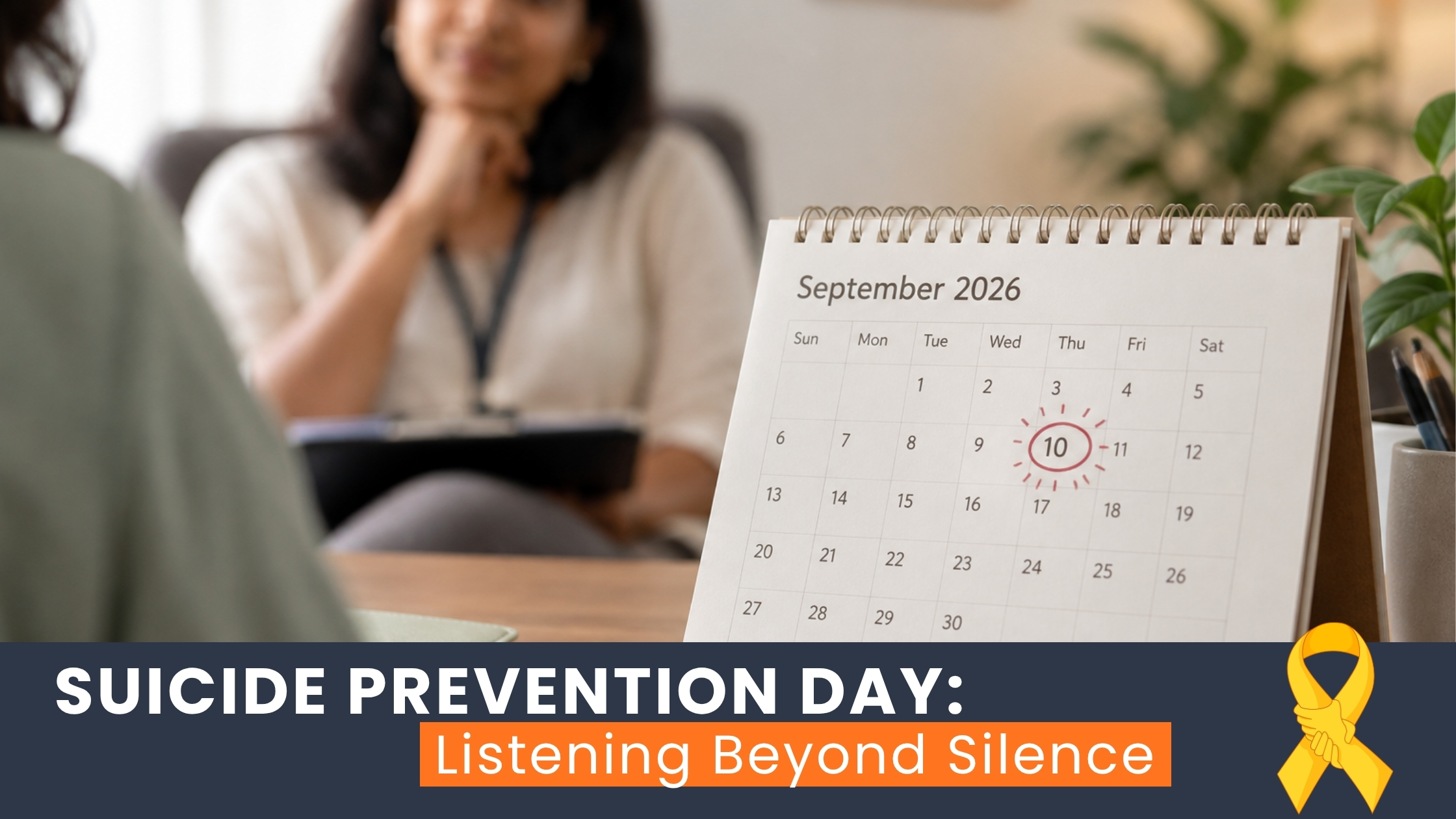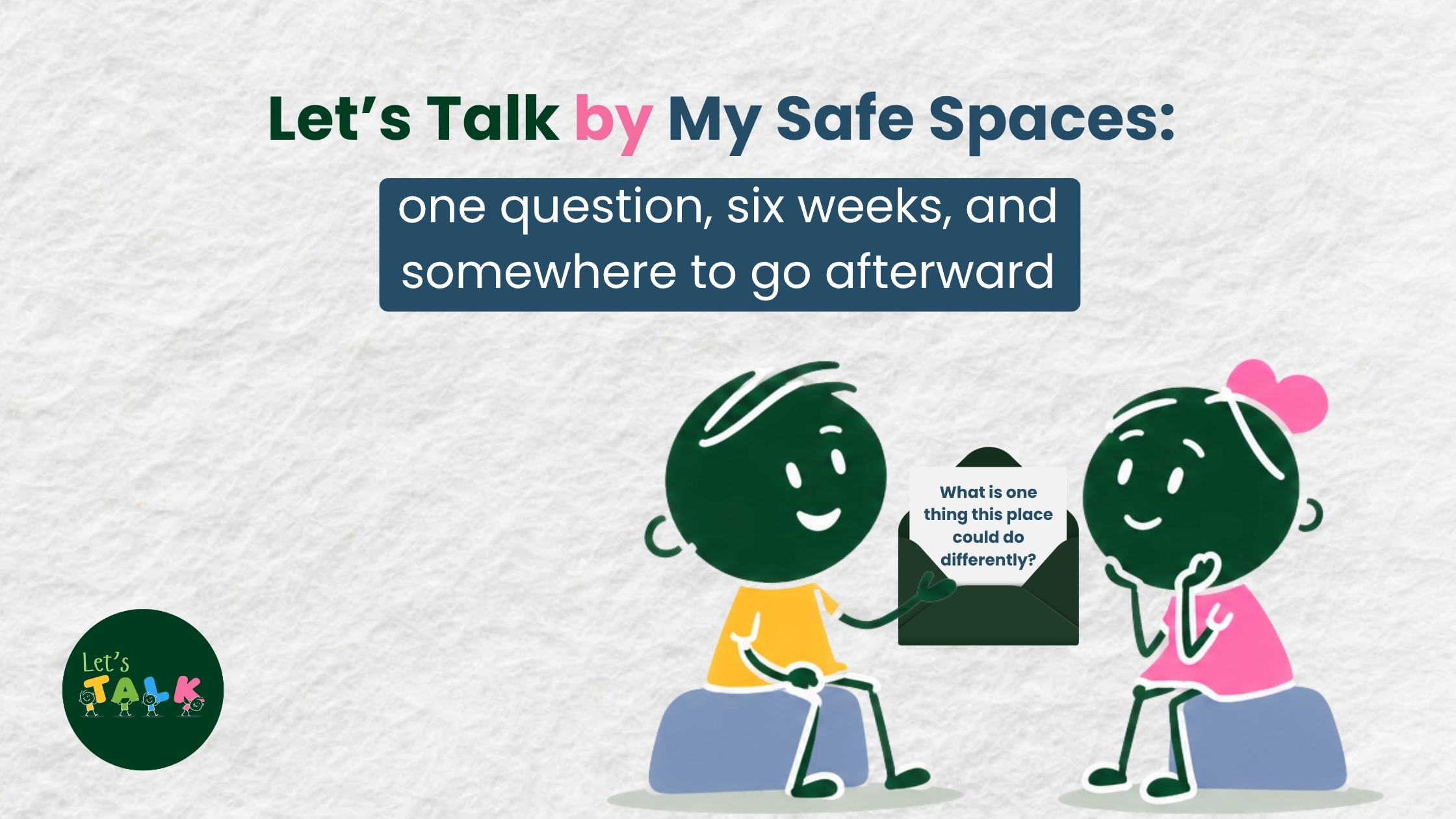
To celebrate World Mental Health Day on October 10, 2026 (yes! It is a celebration), every session we run between today and 31 October will end the same way. Someone hands you a card with one question printed on it: What is one thing this place could do differently?
That’s the question we’d like answers to in our Let's Talk Campaign by My Safe Spaces. The
World Federation for Mental Health has set this year's theme as Lived Experiences Heard: Real
Voices, Real Change. The Let’s Talk Campaign is our promise to hear real voices that can be
instruments for real change.
Hearing is the easy part to promise. Institutions are quite good at hearing. A school holds a
wellbeing assembly, a company invites someone to tell their story on a stage, and everyone
agrees it was moving. The following week, the timetable and the counselor's hours are exactly
the same.
Lived experience matters for a practical reason beyond empathy. A person who has needed help
within a system knows precisely where it let them down, and usually nobody else in the building
does. Ask students what keeps them from the school counselor, and you might hear something
no policy document mentions, like the counseling room having a glass door that faces the
canteen. Ask an employee why they never called the helpline from their induction pack, and the
answer might be that it closes at six, while the hard part of their day starts after the children are
asleep. None of that is visible from the principal's office.
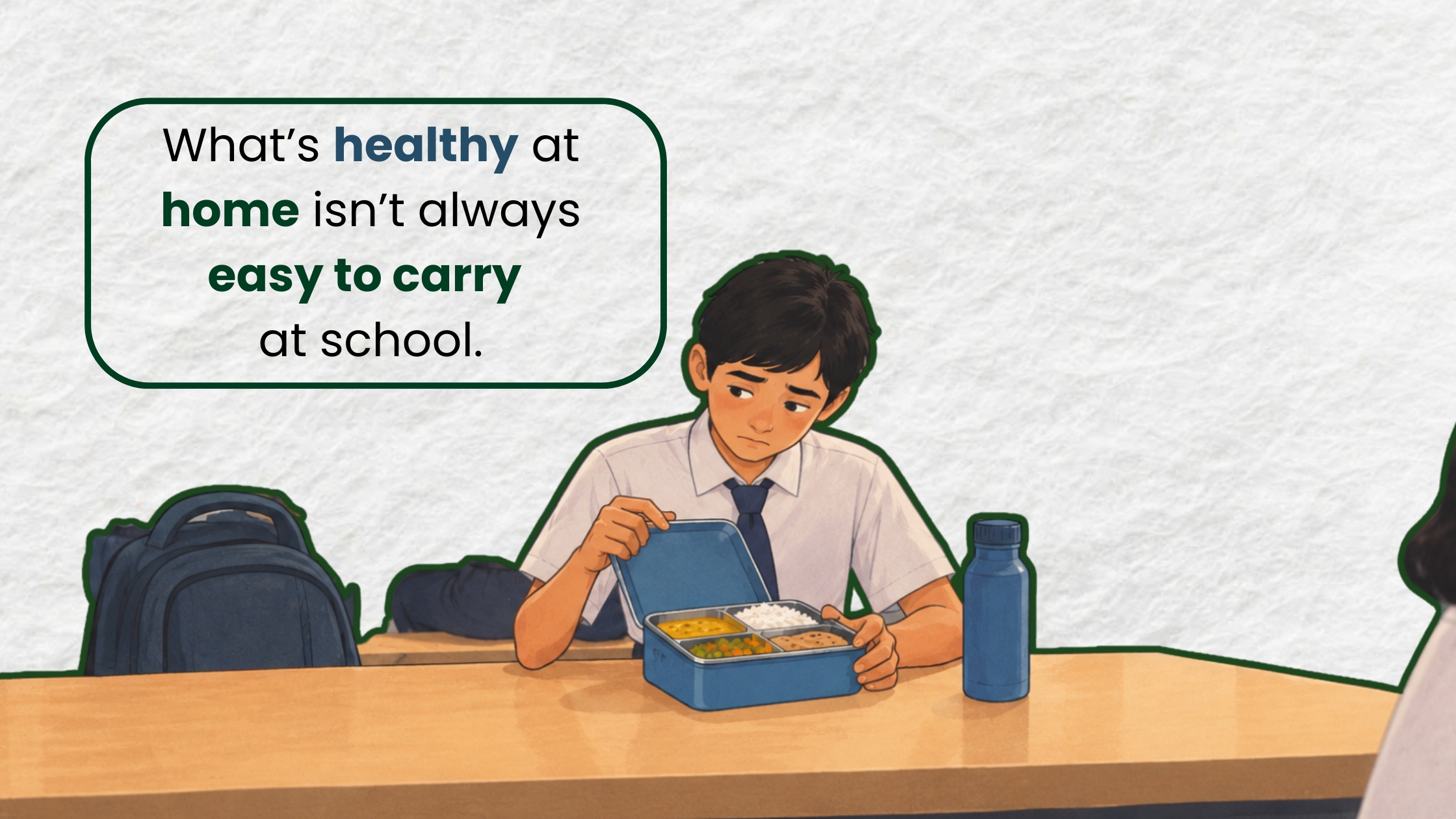
mom pack a wholesome, healthy Indian lunch? The response, with some pride, was YES!
Perhaps that was the problem. Kids at an age when they are socially awkward do not want the
whiff of dal when they open their lunch bags at school, in front of other kids. The easy answer:
eat alone if they are hungry or dump it in the trash.
The World Health Organization makes a sharper point on its page for this year's day. People with
lived experience are regularly asked to share their stories, then kept out of the decisions those
stories should shape. A campaign like ours could walk straight into that trap. Collecting stories is
easy. A story that changes nothing has cost the person who told it and given them nothing back.
So, we made two decisions before anything else.
Beyond that, nobody at a session is asked to describe what happened to them, and no student
shares a personal mental health history in front of an audience. Everyone is asked what should
change. That keeps the knowledge in the room and leaves the private detail with the person it
belongs to. Cards are anonymous unless the writer decides otherwise. On 10 October we will
publish a record of what was heard, and it will state its method and sample size, including where
the sample is small.
The second decision is about what happens afterward. Asking people to talk about their mental
health when there is nowhere for them to go next does harm, whatever the intention behind it.
That is why we are launching Talk by My Safe Spaces, a confidential counselling service, in the
same month. Every session, whatever its size, closes with three things: the question, a crisis card
placed in each person's hand, and a way to book a session with a counselor at
https://talk.mysafespaces.org.
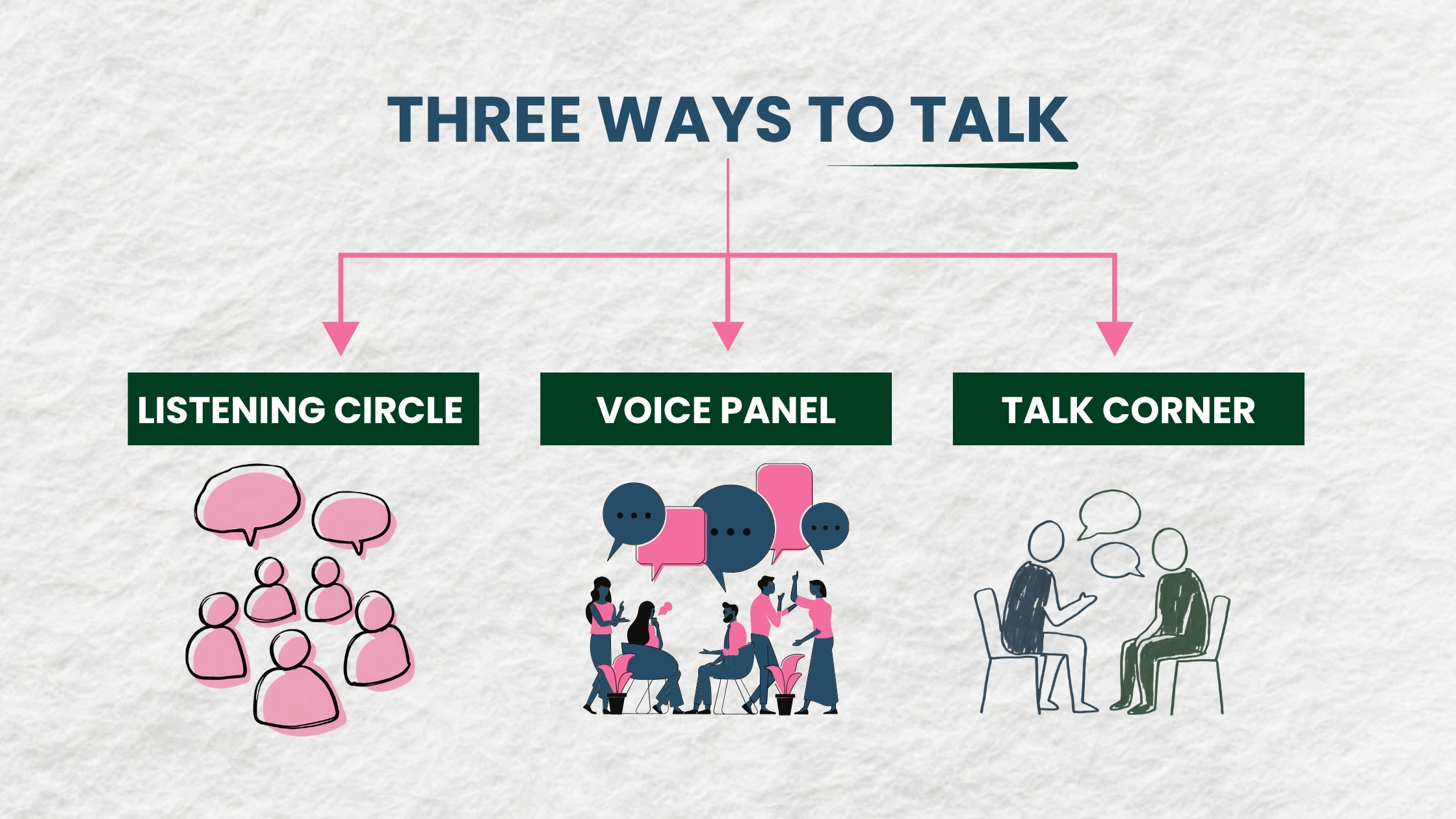
The sessions come in three sizes because the places we want to reach are so different. A
Listening Circle brings together eight to twenty people for about an hour, in a classroom or at the
back of a cafe without a projector. A Voice Panel suits a college hall or a large employer. The
lived-experience speaker sits with a practitioner and an institutional leader. After they have
spoken for a while, the room speaks, and the panel listens. A Talk Corner is a table in a foyer or
a cafe, staffed by two counselors for a few hours. You can sit down for five minutes or fifty.
These sessions are conversations and not clinical care, and we say so at the start of each one.
Each room has a trained facilitator plus a second named person whose only job is to step outside
with anyone who needs a moment.
The weeks move from schools and colleges to workplaces and practitioners, then out to NGOs,
neighborhood groups and cafes, ending at the national convening on 10 October. The venue
announcement is pending and will go up on the campaign page once it is confirmed. Alongside
the sessions, the Essay Award is open to school and higher education students across India until
3 October, and a counselor reads every entry before the judges see it.
If you run a school, college, workplace, NGO or cafe and would like to host a session, we bring
the kit and the trained people, and you agree to the safeguarding conditions before anything is
booked. Details are at mysafespaces.org/lets-talk. Circle, our newsletter, launches tomorrow, and
the 10 October issue will carry the record.